Ensuring Accuracy in Lab Report Translations: Best Practices for Compliance in the UK
Translation services for Laboratory Reports UK are of paramount importance due to the stringent regulations by entities like the MHRA and Environmental Agencies. Expert translators with specialized knowledge in scientific terminology are required to …….
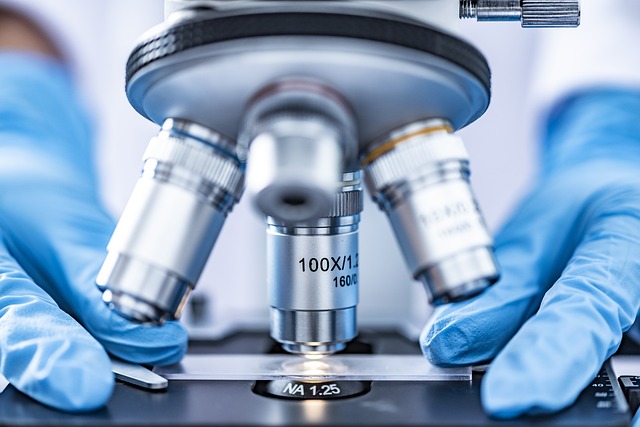
Translation services for Laboratory Reports UK are of paramount importance due to the stringent regulations by entities like the MHRA and Environmental Agencies. Expert translators with specialized knowledge in scientific terminology are required to ensure that laboratory reports are accurately translated, maintaining the credibility, legality, and integrity of research data, clinical trials, and product information. These professionals must have a deep understanding of both the source and target languages within the context of laboratory science to convey nuances and technical terms correctly. They undergo training to handle complex scientific content, including specific measurements, specialized terminology, and data interpretations, ensuring that translated reports remain comprehensible and reliable for all stakeholders, from researchers to regulatory personnel. The commitment to precision and expertise in translation services for Laboratory Reports UK is vital for upholding scientific communication and regulatory compliance standards within the nation. These translations are critical for informed decision-making across research, healthcare, and legal sectors, with the understanding that even minor errors can have significant consequences. Translation services for Laboratory Reports UK must extend beyond mere linguistic equivalence to include cultural adaptation and technical precision, aligning with NHS and MHRA standards. Precision in language, coupled with specialized scientific knowledge and adherence to confidentiality protocols, ensures that translation services for Laboratory Reports UK deliver high-quality translations that meet the stringent standards required in this field.
When precision dictates safety and compliance, accurate translation of laboratory reports within the UK’s regulated environment is paramount. This article delves into the critical aspects of ensuring reliability in translations of laboratory reports, a task that demands not only linguistic expertise but also an intimate understanding of industry-specific terminology and UK regulatory standards. From selecting translation services for laboratory reports UK to implementing best practices that guarantee quality and consistency, we explore the multifaceted approach necessary to uphold the integrity of scientific communication across languages. Join us as we navigate the complexities and present a case study highlighting successful strategies in translating intricate lab reports.
- The Importance of Precision in Laboratory Report Translations for UK Regulatory Bodies
- Understanding the Scope and Complexity of Laboratory Reporting in the UK Context
- Key Considerations for Selecting Reliable Translation Services for Laboratory Reports in the UK
- The Role of Industry-Specific Expertise in Accurate Lab Report Translations
- Best Practices for Ensuring Quality and Consistency in Translated Laboratory Reports
- Case Study: A Successful Approach to Translating Complex Laboratory Reports in the UK
The Importance of Precision in Laboratory Report Translations for UK Regulatory Bodies
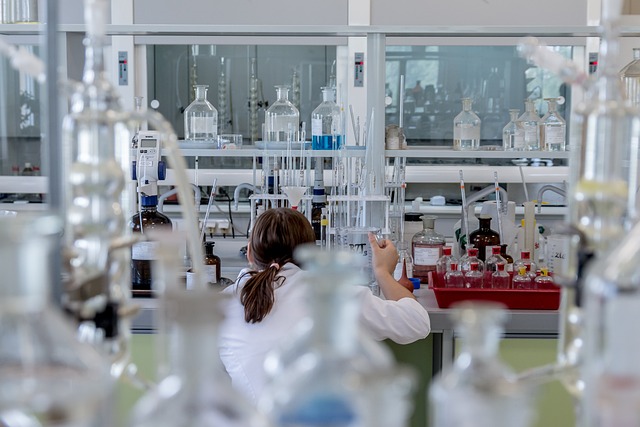
When it comes to laboratory report translations in the UK, precision is paramount, especially when adhering to the stringent standards set by regulatory bodies. The accuracy of such translations directly impacts the credibility and legality of research data, clinical trials, and product information. Translation services for Laboratory Reports UK must navigate the complexities of scientific terminology, ensuring that every nuance is captured accurately. This is not just a matter of linguistic equivalence; it involves an intricate understanding of both the source and target languages within the specific context of laboratory science.
The UK’s regulatory landscape, which includes entities like the Medicines and Healthcare products Regulatory Agency (MHRA) and the Environmental Agencies, demands a high degree of accuracy to ensure that all laboratory reports are comprehensible and reliable across different stakeholders, including researchers, clinicians, and regulatory personnel. To meet this demand, translation services for Laboratory Reports UK must employ expert translators with specialized knowledge in both the scientific domain and the regulatory requirements. These professionals are trained to recognize and translate not only technical terms but also the implications of the findings, ensuring that the translated reports maintain their integrity and usability. This commitment to precision and expertise is crucial for upholding the standards of scientific communication and regulatory compliance within the UK.
Understanding the Scope and Complexity of Laboratory Reporting in the UK Context
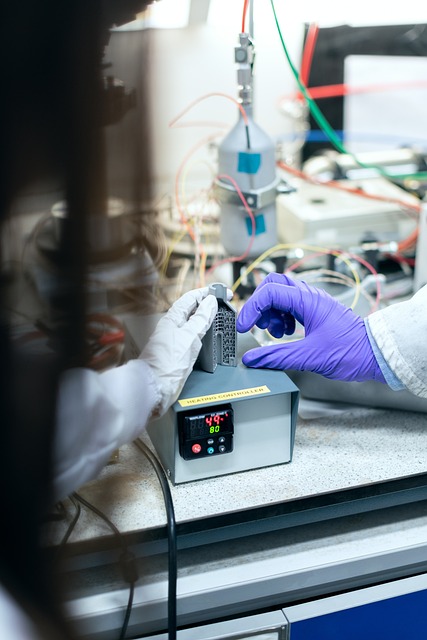
In the UK, laboratory reporting serves as a cornerstone in the scientific community, where precise communication of findings is paramount. The complexity of these reports stems from the intricate details they contain, which often include specific measurements, technical jargon, and data interpretations unique to the field of study. Translation services for Laboratory Reports UK must possess a deep understanding of this context to accurately convey the information across languages. Specialist translators are not just required to translate words but to grasp the nuances of scientific terminology, the implications of the data presented, and the conventions of reporting within the UK’s regulatory framework. This is crucial as laboratory reports often inform critical decisions in healthcare, legal proceedings, and research and development, where even minor inaccuracies can have significant repercussions.
The scope of laboratory report translations extends beyond mere linguistic conversion. It encompasses a comprehensive approach that involves cultural adaptation, technical accuracy, and adherence to the standards set by bodies like the UK National Health Service (NHS) and the Medicines and Healthcare products Regulatory Agency (MHRA). Translation services for Laboratory Reports UK must navigate this multifaceted landscape with expertise and a commitment to excellence. This ensures that all stakeholders, regardless of their language proficiency, have access to reliable, accurate, and actionable information derived from laboratory reports, thereby upholding the integrity of the scientific process and the decision-making it informs.
Key Considerations for Selecting Reliable Translation Services for Laboratory Reports in the UK

When accuracy is paramount, as it is with laboratory reports in the UK, selecting a reliable translation service is a critical decision that can impact the integrity and validity of scientific findings. The translator’s proficiency in both the source and target languages is a fundamental requirement; however, for laboratory report translations, specialized knowledge in the relevant scientific field is equally indispensable. Translation services for Laboratory Reports UK must employ bilingual experts who possess a deep understanding of the terminologies and methodologies unique to laboratories, ensuring that all technical terms are accurately conveyed without loss or misinterpretation.
Moreover, the chosen translation service should have a proven track record in the scientific sector, with past experience in translating laboratory reports. This experience not only demonstrates their familiarity with the subject matter but also showcases their ability to navigate complex data and ensure that the nuances of the original document are preserved. Additionally, these services should offer confidentiality agreements to protect sensitive information, which is often the case with laboratory data. By combining linguistic prowess with scientific expertise and maintaining the highest standards of confidentiality, translation services for Laboratory Reports UK can provide accurate translations that uphold the rigorous standards expected within the industry.
The Role of Industry-Specific Expertise in Accurate Lab Report Translations

When it comes to translating laboratory reports, the precision and clarity of the content are paramount. The scientific domain, with its specialized terminology and complex data presentations, demands a level of expertise that goes beyond linguistic capabilities. In the UK, where regulatory standards are stringent and accuracy is non-negotiable, translation services for Laboratory Reports UK must be equipped with industry-specific knowledge to bridge the gap between source and target languages effectively. Professionals in this field often hold advanced degrees or certifications in scientific disciplines relevant to the reports they translate. This expertise allows them to understand the nuances of laboratory jargon, the significance of experimental results, and the implications of statistical analyses, ensuring that the translated text conveys the same meaning as the original document.
The role of industry-specific expertise cannot be overstated when accuracy is a matter of compliance, safety, and credibility in the scientific community. Translation services for Laboratory Reports UK that employ experts with a background in fields such as chemistry, biology, or pharmacology are better positioned to handle complex concepts and specialized language. These professionals can accurately translate units of measurement, chemical formulas, and technical procedures, ensuring that the translated report maintains its scientific integrity and adheres to industry standards. This commitment to precision is essential for maintaining the trust of researchers, regulatory bodies, and stakeholders who rely on laboratory reports for informed decision-making.
Best Practices for Ensuring Quality and Consistency in Translated Laboratory Reports
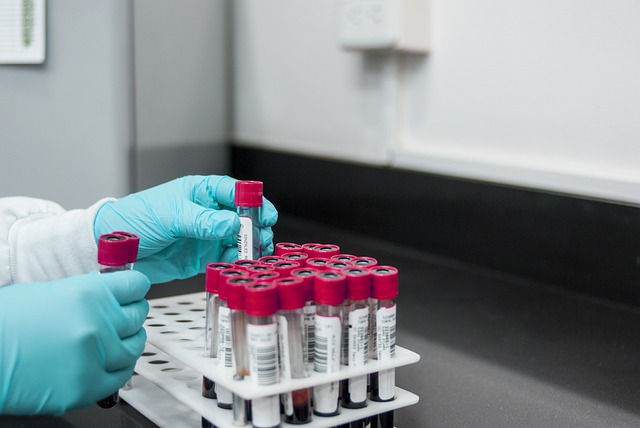
When translating laboratory reports, which serve as critical documents in various scientific and legal contexts, precision and consistency are paramount. To guarantee the highest quality translations, especially for clients seeking top-tier translation services for Laboratory Reports UK, it is essential to adhere to a series of best practices. Firstly, translators must possess a comprehensive understanding of both the source and target languages, as well as the specialized terminology inherent in laboratory settings. This linguistic competence ensures that complex scientific concepts are accurately conveyed.
Secondly, translation teams should utilize robust collaboration tools to maintain consistency across all documents. These tools facilitate communication among translators, reviewers, and subject matter experts, allowing for the harmonization of terms and the resolution of any ambiguities. Employing a controlled vocabulary database is also beneficial, as it provides a reference point for terminology commonly used in laboratory reports. Additionally, incorporating proofreading stages with native speakers who are adept in the field of science can further enhance the accuracy and clarity of the translations. By implementing these strategies, translation services for Laboratory Reports UK can deliver text that is not only faithful to the original content but also legally and scientifically sound, thereby upholding the integrity and reliability of the reports.
Case Study: A Successful Approach to Translating Complex Laboratory Reports in the UK

In the UK, the accuracy of translated laboratory reports is paramount, given their critical role in research, regulatory submissions, and legal proceedings. A case study that exemplifies a successful approach to translating complex laboratory reports involves a leading translation service provider based in the UK. Their methodology begins with a meticulous selection process for translators who not only possess expertise in both the source and target languages but also have a comprehensive understanding of scientific terminology specific to laboratory report contexts. These subject matter experts undergo rigorous training in the nuances of technical language, ensuring they can accurately convey complex scientific information without losing its original meaning or intent.
The translation process itself is a multi-step operation that starts with a detailed analysis of the original document by a team of bilingual scientists and linguists. This collaborative approach allows for the identification of any culturally specific references, idiomatic expressions, or technical jargon that may pose challenges in translation. Each report is then translated in its entirety before undergoing a verification phase where the translated content is reviewed by a second specialist translator who did not take part in the initial translation. This peer review process ensures that any discrepancies or misunderstandings are identified and corrected, resulting in a high-fidelity translation that maintains the integrity of the original data. The translation service’s commitment to quality control and their reliance on a network of expert linguists and scientists have made them a trusted partner for organizations requiring precision in laboratory report translations within the UK.
In concluding, the accurate translation of laboratory reports within the UK’s regulatory framework is not just a matter of linguistic precision but a critical component ensuring compliance and safety. The complexity of these documents demands specialized knowledge and industry-specific expertise, which top-tier translation services for Laboratory Reports in the UK provide. By adhering to best practices and leveraging expert translators with scientific backgrounds, these translation services guarantee the fidelity of data across language barriers. The case study presented underscores the importance of such rigorous translation processes, demonstrating that with the right approach, even the most intricate laboratory reports can be accurately conveyed. For stakeholders in the UK’s life sciences and healthcare sectors, selecting a reliable service for translating laboratory reports is an investment in integrity and reliability.