Ensuring Precision: Translation Services for Accurate Laboratory Reports UK
In today's global research landscape, effective communication through accurate laboratory report translations is paramount, especially in the UK. Professional translation services are crucial to convey experimental data and conclusions precisely…….

In today's global research landscape, effective communication through accurate laboratory report translations is paramount, especially in the UK. Professional translation services are crucial to convey experimental data and conclusions precisely across diverse languages while preserving scientific integrity. These services address complex challenges like specialized jargon, formatting inconsistencies, cultural nuances, and strict ethical standards. Key metrics include translator expertise, understanding of medical/scientific terminology, cultural adaptation, technical proficiency, and consistent formatting. Quality control processes like peer review and proofreading are essential. Choosing a reliable service involves considering experience, specialization, quality assurance, confidentiality, and the integration of AI and MT technologies for enhanced accuracy, fluency, and efficiency in laboratory report translations.
In the intricate world of scientific research, clear and precise communication is paramount. The accuracy of laboratory report translations plays a pivotal role in ensuring that critical data is conveyed reliably across languages. With an increasing global collaboration in research, understanding the nuances of translating technical documentation becomes essential. This article explores the significance of accurate translations, delving into challenges, best practices, and future trends in the UK’s translation services for laboratory reports.
- Understanding the Significance of Accurate Translations in Laboratory Reports
- The Role of Professional Translation Services in the UK
- Common Challenges in Translating Scientific Documentation
- Ensuring Quality and Precision: Key Metrics for Evaluation
- Best Practices for Effective Communication in Laboratory Reports
- Legal and Ethical Considerations in Translation Accuracy
- Case Studies: When Inaccurate Translations Go Wrong
- Choosing the Right Language Service Provider for Your Reports
- Future Trends in Laboratory Report Translation Technologies
Understanding the Significance of Accurate Translations in Laboratory Reports
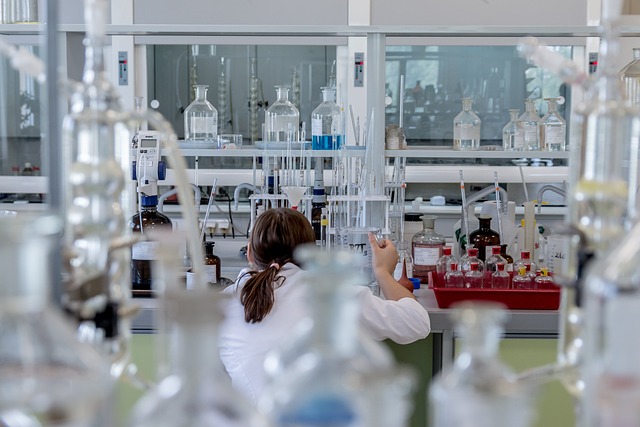
In the realm of scientific research, clear and precise communication is paramount. Laboratory reports are critical documents that record experiments, observations, and conclusions, serving as a roadmap for future studies. When it comes to sharing this vital information globally, especially in a country like the UK with diverse linguistic needs, translation services play an indispensable role. Accurate translations ensure that the intricacies of experimental methods, results, and implications are conveyed faithfully across languages. This is not merely about converting words; it’s about preserving the scientific integrity and authenticity of research findings.
Translation services for Laboratory Reports UK must be approached with a deep understanding of both linguistic and scientific nuances. Professional translators must possess expertise in technical terminologies specific to various fields of science, ensuring that specialized terminology is translated accurately without losing its context. Moreover, they should adhere strictly to formatting guidelines to maintain the report’s layout and structure, making it easy for readers to navigate and interpret data. The consequences of inaccurate translations can be severe, potentially leading to misinterpretations, unreliable conclusions, and even ethical concerns in research integrity.
The Role of Professional Translation Services in the UK

In the dynamic field of scientific research, ensuring precise communication is paramount, especially when dealing with laboratory reports. This is where professional translation services for Laboratory Reports UK play a pivotal role. With a wealth of specialized knowledge and expertise in both language and science, these services guarantee accurate translations that maintain the integrity of critical data.
The demand for such services has grown significantly due to the global nature of research collaborations and publications. Professional translators with a scientific background are adept at navigating complex terminology and technical jargon, ensuring reports are translated into other languages while preserving their scientific validity. This is crucial, as miscommunication can lead to misunderstandings, errors, or even hazardous situations in experimental procedures.
Common Challenges in Translating Scientific Documentation
Scientific documentation, especially laboratory reports, often presents unique challenges when it comes to translation. Accurate translations require a deep understanding of technical jargon and specific terminology within each field. Misinterpretations can lead to significant errors or misdirections in research, making translation services for Laboratory Reports UK a critical component of global scientific collaboration.
One of the primary hurdles is the complex nature of laboratory methodologies and findings. Translators must be adept at conveying intricate procedures and results while maintaining precision. Inconsistent formatting and varying levels of detail within reports can further complicate matters. Additionally, cultural nuances play a significant role; what seems straightforward in one language might require a more nuanced approach to accurately represent the original intent in another, ensuring that scientific knowledge is accessible and understandable across linguistic barriers.
Ensuring Quality and Precision: Key Metrics for Evaluation
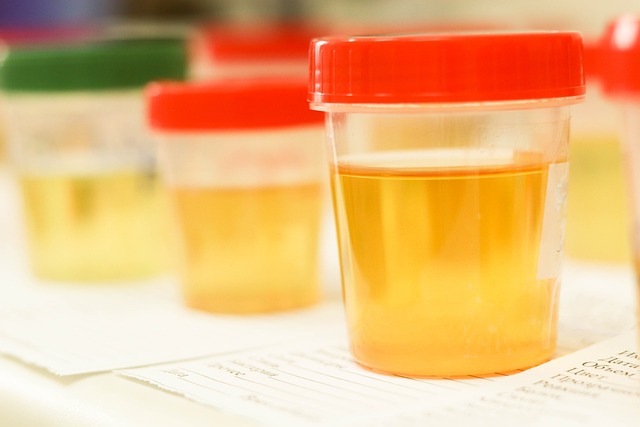
Ensuring quality and precision in laboratory report translations is paramount, especially given the critical nature of scientific data. When it comes to translation services for Laboratory Reports UK, several key metrics must be considered to evaluate accuracy. Firstly, the translator’s expertise in both the source and target languages is essential. Medical or scientific terminology requires a deep understanding to convey accurate meanings without interpretation errors. Secondly, cultural nuances play a significant role; translations should respect original context while adapting to cultural differences.
Technical proficiency, including knowledge of specific laboratory practices and terminologies, ensures that the translated report accurately reflects the original data. Additionally, consistency in formatting and style is vital for a professional translation. Finally, quality control processes, such as peer review and proofreading, are indispensable steps to catch any remaining errors or inconsistencies before delivery. These metrics collectively contribute to maintaining the integrity of laboratory findings during translation.
Best Practices for Effective Communication in Laboratory Reports
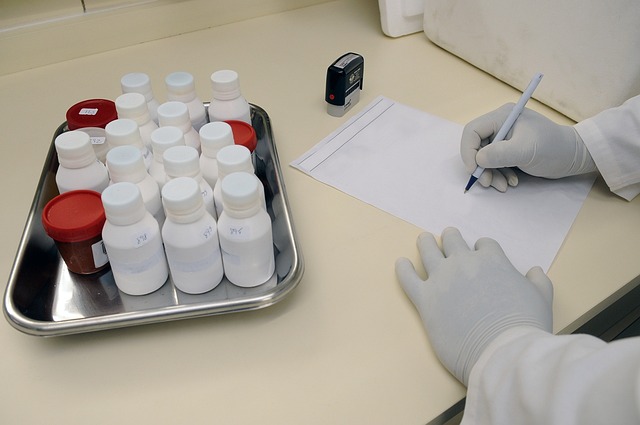
Effective communication in laboratory reports is paramount, especially when considering the intricacies and technical language involved. To ensure accuracy, clarity, and consistency, several best practices should be adopted. Firstly, use a standardized format that includes clear sections for methods, results, and discussions. This structure facilitates easy navigation and comprehension, reducing misinterpretations. Secondly, employ precise and concise language, avoiding jargon that might confuse readers outside the immediate field. All technical terms should be defined or referenced to ensure a comprehensive understanding.
Additionally, when translating laboratory reports, particularly through translation services for Laboratory Reports UK, maintaining these best practices is crucial. Accurate translations demand not just linguistic proficiency but also scientific knowledge. Therefore, opt for translators with specific training in science and chemistry to capture the nuances accurately. Furthermore, proofreading by subject matter experts ensures that the translated report aligns perfectly with the original intent and data presented.
Legal and Ethical Considerations in Translation Accuracy

In the realm of scientific research and healthcare, accuracy in communication is paramount, especially when translating laboratory reports. Legal and ethical considerations play a crucial role in ensuring the integrity of such translations, particularly for translation services for Laboratory Reports UK. Every translated document must accurately convey the original data, methods, and findings to maintain the reliability of research and clinical practices.
Any deviation from the truth or misinterpretation could have significant implications. For instance, mistranslating a critical value or protocol step might lead to incorrect diagnoses or treatment plans. Therefore, professional translation services in this field must adhere to strict ethical standards, employing qualified linguists with expertise in both the source and target languages. They should also understand the specialized terminology used in laboratory reports to deliver precise translations that meet legal and regulatory requirements.
Case Studies: When Inaccurate Translations Go Wrong
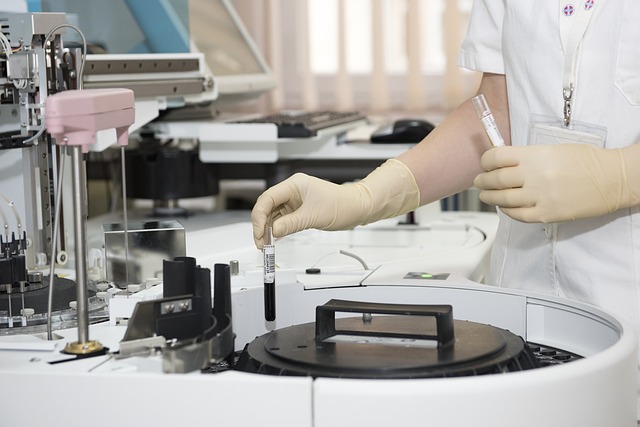
In the realm of scientific research and medical advancements, accurate translations are paramount, especially when it comes to laboratory reports. Inaccurate translations can lead to severe consequences, as evidenced by numerous case studies. For instance, a study conducted in the UK revealed that faulty translations of clinical trial data resulted in incorrect regulatory decisions, potentially endangering patient safety. This highlights the critical need for reliable and precise translation services for laboratory reports, particularly in the UK where scientific research is a thriving sector.
Another notable case involved a pharmaceutical company that relied on an unprofessional translation service to translate their research findings into several languages. The errors in translation led to miscommunication among global partners, causing significant delays in drug approval processes. This incident underscores the importance of investing in high-quality translation services for laboratory reports, ensuring that scientific knowledge is conveyed accurately and efficiently across borders.
Choosing the Right Language Service Provider for Your Reports

Choosing a reliable language service provider is paramount when it comes to translating laboratory reports, especially in the UK where accuracy and compliance are non-negotiable. Look for companies with extensive experience in scientific translation, preferably those that specialise in your field of research. This expertise ensures they can handle complex terminology and specialized concepts accurately.
Reputable providers should offer a thorough quality assurance process, including proofreading and editing by native speakers. This step is crucial to maintaining the integrity of your report’s content and ensuring it adheres to grammatical and stylistic conventions of the target language. Additionally, they must prioritize confidentiality, especially when dealing with sensitive scientific data.
Future Trends in Laboratory Report Translation Technologies
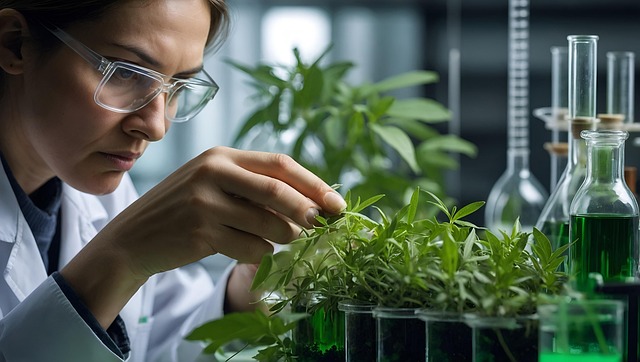
The future of laboratory report translation services in the UK looks promising, with advancements in technology set to enhance accuracy and efficiency. Artificial Intelligence (AI) and Machine Translation (MT) are at the forefront of this revolution. These technologies have made significant strides in understanding complex scientific terminology and context, enabling more precise and fluent translations. AI-powered tools can now learn from vast datasets, including industry-specific medical and scientific glossaries, to deliver high-quality outputs tailored to the field of laboratory reporting.
As these translation services continue to evolve, we can expect faster turnaround times without compromising on accuracy. The integration of Neural Machine Translation (NMT) models promises even more natural-sounding translations, bridging the gap between languages in a seamless manner. Additionally, the development of post-editing tools will ensure that human linguists can refine AI-generated translations, guaranteeing exceptional quality and consistency across various laboratory report types.
In ensuring the integrity of scientific research, accurate laboratory report translations are indispensable. The UK’s professional translation services play a vital role in bridging language gaps, but challenges remain, especially with complex scientific jargon. By implementing best practices, leveraging advanced technologies, and adhering to legal-ethical standards, researchers can enhance communication effectiveness. Choosing the right language service provider is crucial for precise translations that support global collaboration and advance scientific knowledge.