Navigating Certified Translation Requirements for UK Laboratory Reports
Translation services for Laboratory Reports UK are essential for accurate communication of scientific data across different languages and cultures. These specialized translation services ensure regulatory compliance by adhering to both domestic and f…….

Translation services for Laboratory Reports UK are essential for accurate communication of scientific data across different languages and cultures. These specialized translation services ensure regulatory compliance by adhering to both domestic and foreign standards, providing precise and nuanced translations that maintain the integrity of the original content. Experts in these services possess a combination of scientific knowledge and linguistic proficiency, often holding certifications like ISO 17100, to guarantee the accuracy and contextual relevance of translated reports. This is crucial for researchers, companies, and institutions conducting cross-border operations, as it facilitates clear communication, legal recognition, and accurate interpretation. Utilizing professional translation services is indispensable for preserving the accuracy and credibility of research findings within the global scientific community, especially in the UK where precision and clarity are paramount for regulatory compliance, academic research, and legal settings. These translations must be certified by professionals affiliated with leading translation bodies like the ITI or CIOL to ensure they meet stringent industry standards and can undergo additional legalization if necessary. This meticulous approach ensures that every aspect of laboratory reports is accurately translated, from numerical details to complex scientific terminology, enabling effective cross-cultural communication and compliance.
Navigating the scientific landscape, laboratory reports hold critical data pivotal for global understanding and regulatory compliance. In the UK, where precision and authority are paramount, securing certified translations for these documents is non-negotiable. This article delves into the indispensable role of professional translation services in this context, guiding you through the nuances of selecting a reliable provider, adhering to UK regulations, and ensuring the accuracy and credibility of your translated laboratory reports. Whether you’re a researcher, a healthcare provider, or an academic institution, understanding the necessity and process of obtaining certified translations is essential for your work to be universally understood and accepted.
- Understanding the Necessity of Certified Translations for Laboratory Reports in the UK
- The Role of Professional Translation Services in the Context of Laboratory Data
- Key Considerations When Selecting a Translation Service for Your Lab Reports
- Compliance with UK Regulations: What to Look for in Certified Translations
- The Process of Obtaining Certified Translations for Laboratory Reports in the UK
- Tips for Ensuring Accuracy and Credibility in Translated Lab Reports
Understanding the Necessity of Certified Translations for Laboratory Reports in the UK
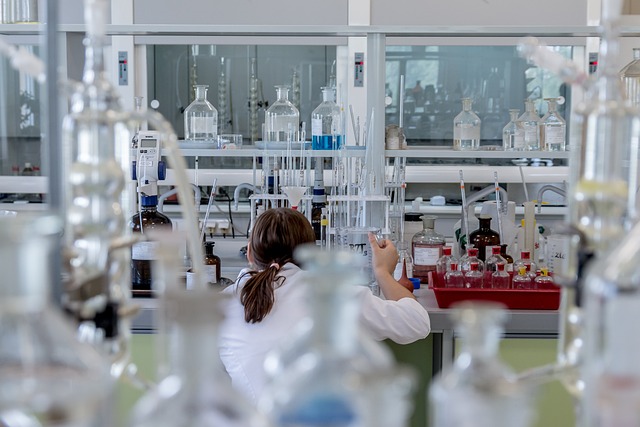
When navigating the complexities of regulatory compliance and international scientific communication, the necessity of certified translations for laboratory reports in the UK becomes paramount. Accuracy is not just a preference; it is an imperative in the realm of scientific research, where precise data can influence critical decision-making processes. Certified translation services for Laboratory Reports UK are specifically tailored to meet the stringent standards set by both local and international regulatory bodies. These services ensure that all findings, results, and conclusions within laboratory reports are translated with the utmost precision and are fully compliant with UK legislation. The certified translators employed by reputable translation services for Laboratory Reports UK possess specialized knowledge in both the scientific domain and linguistic nuances, guaranteeing a translation that maintains the integrity of the original document. This is crucial for researchers, businesses, and institutions operating across borders, as it facilitates clear communication, legal acceptance, and reliable interpretation of data, thereby upholding the integrity and credibility of research conducted within the UK’s scientific community. Engaging with professional translation services for Laboratory Reports UK, therefore, is an essential step in safeguarding the accuracy and utility of these vital documents in a global context.
The Role of Professional Translation Services in the Context of Laboratory Data

When navigating the intricate world of laboratory reports, particularly within the UK, the accuracy and clarity of the data are paramount. This is where professional translation services play a pivotal role in ensuring that laboratory reports are effectively communicated across language barriers. These specialized services provide precise translations of laboratory findings, enabling researchers, regulatory bodies, and stakeholders to comprehend critical scientific information without compromise. The expertise of these translators is not just about converting words from one language to another; it encompasses a deep understanding of technical terminology, context-specific nuances, and the exacting nature of scientific documentation.
In the UK, where laboratory reports may be required for a myriad of purposes, including regulatory compliance, academic research, or legal proceedings, the reliability of translation services for laboratory reports is indispensable. These services are staffed by professionals who are not only native speakers but also hold certifications in scientific and medical translations. This ensures that the translated documents maintain their integrity and adhere to industry-specific standards, such as ISO 17100, which is the gold standard for translation services. By leveraging these certified translation services, organizations and individuals can bridge language gaps with confidence, facilitating global collaboration and the exchange of scientific knowledge within the UK and beyond.
Key Considerations When Selecting a Translation Service for Your Lab Reports

When the accuracy and clarity of laboratory reports are paramount, selecting a reliable translation service is crucial for international communication. In the context of the UK, where scientific data informs critical decision-making processes, it’s imperative to choose a service that specialises in translation services for laboratory reports. A dedicated and experienced translator familiar with both the source and target languages, as well as the technical terminology specific to laboratory reports, is essential. They should possess professional certifications, ensuring their translations adhere to industry standards. Additionally, consider a translation service that offers a track record of working within the UK’s regulatory framework, which can be particularly relevant for compliance with legal and ethical requirements. Verifying the service’s credentials, such as membership in reputable translation associations and ISO certification, will provide assurance of their competence and reliability. The chosen service should also offer proofreading and quality checks to guarantee that every figure, value, and nuance in your laboratory reports is accurately conveyed. This due diligence not only preserves the integrity of your data but also facilitates effective communication across different linguistic and cultural boundaries.
Compliance with UK Regulations: What to Look for in Certified Translations

When navigating the intricacies of laboratory report translations in the UK, it is imperative to prioritize compliance with stringent regulations that govern such documentation. Certified translations for laboratory reports in the UK must adhere to the standards set forth by the relevant authorities, including the UK’s Medicines and Healthcare products Regulatory Agency (MHRA) and the Clinical Trials Unit. The translator should be a native speaker with specialized knowledge in the field of scientific terminology, ensuring accuracy and clarity in the translated content. Moreover, the translation services for Laboratory Reports UK must provide a signed certificate or statement confirming the authenticity and exactness of the translation. This certificate should also include the translator’s contact information and a detailed description of the translation process to meet the legal requirements of the UK’s regulatory framework. In addition to adherence to legal standards, the translation should maintain the integrity of the original data, ensuring that all findings, figures, and conclusions are accurately represented in the target language. This is crucial for maintaining the validity and reliability of the laboratory report across different linguistic and regulatory contexts within the UK. When sourcing a translation service for laboratory reports, look for providers with a proven track record of dealing with such documents and who can demonstrate expertise in both the scientific domain and the legal requirements specific to the UK. This due diligence will ensure that your translated laboratory report is not only understood correctly by the intended audience but also complies with all necessary regulations, thereby facilitating seamless communication and compliance within the scientific community or regulatory bodies.
The Process of Obtaining Certified Translations for Laboratory Reports in the UK

When the need arises to present laboratory reports in a different language within the UK, the process of obtaining certified translations is both a legal requirement and a critical task for accurate communication across linguistic boundaries. Certified translations are official translations of documents that include a statement of accuracy and a signature, seal, or stamp from a certified translation service or individual translator. In the UK, these translators must be accredited by relevant authorities, such as the Institute of Translation and Interpreting (ITI) or the Chartered Institute of Linguists (CIOL).
The process commences with selecting a reputable translation service that specialises in scientific documents, like laboratory reports. These services employ professional translators with expertise in both the target language and the field of science. The translation is carried out with precision, preserving the technical terms and precise language inherent to laboratory reports. Upon completion, the translated document undergoes a meticulous review process to ensure accuracy and adherence to the original text. Once verified, the translation is then certified by the translator, who is an authorised signatory. This certification typically includes a statement attesting to the translation’s complete accuracy when compared to the source document, along with contact information for accountability. For those requiring international recognition, additional steps may be necessary, such as legalisation or apostille, which further validates the translated laboratory report for use in countries that are signatories to the Hague Apostille Convention. This ensures that the laboratory report’s findings and data are accepted and understood by the intended audience, facilitating compliance with regulatory standards and effective cross-border communication.
Tips for Ensuring Accuracy and Credibility in Translated Lab Reports

When engaging with translation services for laboratory reports in the UK, precision and credibility are paramount. To ensure the translated documents reflect the original data accurately, it is crucial to partner with translators who specialize in scientific or medical translation. These experts possess both linguistic prowess and subject-specific knowledge, enabling them to convey complex findings without losing nuance or detail. Before finalizing a translation, verify that the service provides certification for their work, as this adds an official layer of authenticity to the translated report. Additionally, opt for translators who are members of professional bodies, such as the Institute of Translation and Interpreting (ITI) in the UK, to guarantee adherence to high standards. To maintain the integrity of the data, it is also advisable to cross-check key results and figures directly from the source report after translation. This diligent approach ensures that any discrepancies can be promptly addressed, upholding the credibility and reliability of the laboratory report across different linguistic audiences. Utilizing advanced translation technology, coupled with human expertise, further enhances the accuracy of translations for laboratory reports in the UK, facilitating global understanding and compliance with international standards.
When tasked with disseminating laboratory reports within the UK’s regulated environment, the necessity of precision and compliance cannot be overstated. Certified translations serve as a critical bridge, ensuring that scientific findings are accurately communicated to diverse audiences. Selecting a reputable translation service specialising in laboratory report translations UK is paramount, as it guarantees adherence to UK regulations and upholds the integrity of the data. By following the outlined key considerations and utilising professional translation services, you can navigate this process with confidence, ensuring that your translated reports maintain their scientific validity and meet all legal requirements. In conclusion, for accurate and certified translations of laboratory reports in the UK, trusting established translation services UK is essential to uphold the highest standards of communication and compliance within the scientific community.