Translation Accuracy: Navigating UK Laboratory Reports
Laboratory reports in the UK require precise translation services that balance technical accuracy with regulatory compliance. Expert translators navigate scientific jargon and linguistic nuances to ensure reports maintain integrity. Quality assurance…….

Laboratory reports in the UK require precise translation services that balance technical accuracy with regulatory compliance. Expert translators navigate scientific jargon and linguistic nuances to ensure reports maintain integrity. Quality assurance, advanced tech, and domain expertise are key to meeting MHRA/NHS standards. Professional translation facilitates global knowledge sharing, aiding research, pharmaceuticals, and healthcare. Choosing specialized partners ensures accurate, compliant laboratory report translations for UK markets. AI-driven trends promise to revolutionize international scientific communication.
In today’s globalised scientific landscape, effective communication through laboratory reports is paramount, especially in the UK. Understanding the nuances of local regulations and language barriers is crucial for accurate data exchange. This article explores translation services tailored for UK laboratory reports, delving into critical aspects like meeting regulatory standards, handling complex scientific terminology, and ensuring consistent quality across diverse languages. We’ll also discuss best practices, case studies, and future trends in this essential field, guiding you through the process of choosing the right partners for your valuable data.
- Understanding Laboratory Report Requirements in the UK
- The Role of Accurate Translation Services
- Challenges in Translating Scientific Terminology
- Ensuring Consistency Across Different Languages
- Legal and Regulatory Compliance for Translated Reports
- Best Practices for Quality Assurance in Translations
- Efficient Communication: Translating for Diverse Audiences
- Case Studies: Successful UK Laboratory Report Translations
- Choosing the Right Translation Partners for Your Data
- Future Trends in Laboratory Report Localization
Understanding Laboratory Report Requirements in the UK
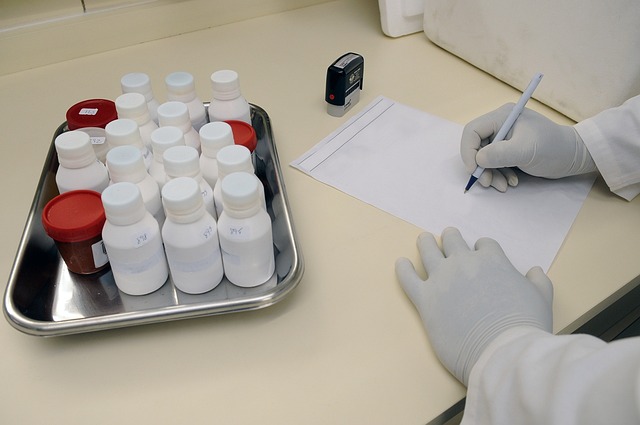
In the UK, laboratory reports play a crucial role in various sectors, from healthcare and pharmaceuticals to environmental science and forensics. Understanding the specific requirements for these reports is essential to ensure their effectiveness and accuracy. The format, content, and structural elements must adhere to established guidelines to be readily acceptable by regulatory bodies and industry standards. This includes detailed and precise information, proper referencing, and adherence to specific formatting rules.
Translation services for laboratory reports in the UK must account for these nuances. Accurate translation goes beyond word-for-word interpretation; it involves understanding the technical context and ensuring the translated report maintains its original integrity while being fully compliant with local regulations. This requires a deep knowledge of both the source and target languages, as well as expertise in the relevant scientific fields to deliver precise and reliable translations.
The Role of Accurate Translation Services
In the realm of scientific research and medical advancements, clear communication is paramount, especially when sharing vital findings across borders. This is where translation services for laboratory reports UK play a crucial role. With the UK’s diverse linguistic landscape, ensuring that lab reports are accurately translated into English or other relevant languages is essential for effective knowledge exchange.
Professional translation services offer more than just word-for-word interpretation; they facilitate the transfer of complex scientific information while preserving its integrity. Skilled translators with expertise in medical and technical jargon can navigate the intricacies of laboratory terminology, ensuring precise and consistent translations. This meticulous process not only enhances accessibility but also upholds the highest standards of accuracy, thereby fostering a vibrant and inclusive scientific community across the UK and globally.
Challenges in Translating Scientific Terminology
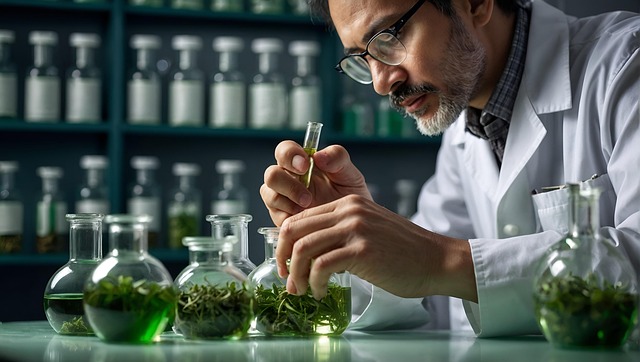
The process of translating scientific terminology for laboratory reports presents a unique set of challenges. When converting documents intended for one language and context to another, ensuring accuracy and clarity is paramount. Scientific terms often have precise, specific meanings that can vary across languages, leading to potential misinterpretations if not handled with care. For instance, what might be considered a standard procedure in one country could have a different name or approach in the UK, requiring translators to have a deep understanding of both the source and target scientific communities.
Translation services for Laboratory Reports UK must therefore not only focus on linguistic proficiency but also possess domain expertise. They should engage professionals who are not just fluent in English and the target language but also well-versed in the relevant scientific fields. This ensures that technical terms, methodologies, and results are conveyed accurately, maintaining the integrity of the original report.
Ensuring Consistency Across Different Languages

Ensuring consistency across different languages is a significant challenge in the context of laboratory reports, especially when adapting them for use in the UK. When translating such technical documents, it’s crucial to maintain accuracy and clarity while considering regional variations in terminology. Professional translation services for laboratory reports in the UK play a vital role here. They employ language experts who understand both the scientific nuances and local linguistic specifics.
These services help bridge the gap between the original report written in one language and the target audience in the UK, ensuring that all technical terms are appropriately translated. This consistency is essential to maintain the integrity of data and information presented in laboratory reports, facilitating effective communication among researchers, healthcare professionals, and regulatory bodies across different linguistic barriers.
Legal and Regulatory Compliance for Translated Reports

When translating laboratory reports for use in the UK, adhering to legal and regulatory compliance is paramount. Translation services must ensure that all documents accurately convey the original meaning while meeting the stringent standards set by the UK’s healthcare and scientific authorities. This includes adherence to specific terminology and formatting requirements, as well as following guidelines from bodies like the Medicines and Healthcare products Regulatory Agency (MHRA) and the UK National Health Service (NHS).
Professional translation companies specializing in laboratory reports for the UK market employ linguists with expertise in scientific and medical terminology, coupled with a deep understanding of local regulations. They utilize advanced technologies and quality assurance processes to guarantee that translated reports are not only linguistically accurate but also compliant with legal requirements. This meticulous approach ensures that healthcare professionals and regulatory bodies can rely on the integrity and precision of the translated laboratory data.
Best Practices for Quality Assurance in Translations

When it comes to Translation Services for Laboratory Reports UK, upholding the highest standards of quality assurance is paramount. To ensure accuracy and reliability, a robust process should be in place that includes thorough review and edit checks by subject matter experts. These experts, often with scientific backgrounds, verify not only grammatical correctness but also the preservation of technical terminology and context.
Additionally, using advanced translation memory software can significantly enhance consistency. This technology stores previously translated segments, allowing for more efficient and accurate retrievals in future projects. By integrating these best practices, translation service providers can deliver precise UK-oriented laboratory reports that meet regulatory standards and maintain data integrity.
Efficient Communication: Translating for Diverse Audiences

In the realm of scientific research, clear and efficient communication is paramount, especially when sharing insights through laboratory reports. When it comes to translation services for Laboratory Reports UK, ensuring accuracy and clarity for diverse audiences is a delicate task. Effective translation goes beyond mere word-for-word substitution; it involves adapting complex scientific terminology while maintaining the original meaning and intent.
Professional translators skilled in this domain understand the importance of conveying technical details accurately, respecting regulatory requirements, and tailoring content to suit UK readers. They navigate the nuances of language, considering cultural context and terminological consistency across various fields of study. This meticulous approach guarantees that laboratory reports are not only understandable but also compliant with local standards, fostering effective knowledge exchange within the scientific community in the United Kingdom.
Case Studies: Successful UK Laboratory Report Translations
Successful case studies highlight the importance and effectiveness of high-quality translation services for laboratory reports in the UK context. Many research institutions and pharmaceutical companies have benefited from accurate and precise translations, ensuring their scientific data is accessible to a wider audience. For instance, a leading drug discovery firm faced a challenge when expanding its operations to the European market. Their task was to translate intricate clinical trial reports into multiple languages, maintaining the integrity of the scientific information. With the help of expert translators who specialised in medical terminology, they successfully delivered consistent and culturally adapted translations, facilitating their global reach.
Another notable example involves a university research team whose work on environmental toxicology required international collaboration. They partnered with a translation service to localise their laboratory reports for peer review in various countries. The translators not only handled the technical content but also ensured cultural sensitivity, making the reports accessible and understandable for reviewers worldwide. These case studies demonstrate that professional translation services play a vital role in facilitating research sharing, international collaboration, and the advancement of scientific knowledge within the UK and globally.
Choosing the Right Translation Partners for Your Data

When it comes to translating laboratory reports for use in the UK, selecting the right translation partners is paramount. Look for a translation service that specialises in scientific and technical documentation, ensuring they have extensive experience handling lab reports. This expertise translates to a deeper understanding of the terminology, formatting, and regulatory requirements specific to the UK market.
The ideal partner should employ linguists who are not only fluent in both languages but also possess a strong scientific background. This combination guarantees an accurate translation that preserves the integrity of your data while adhering to local standards. Reputable services will also have robust quality assurance processes in place, ensuring your lab reports are translated with precision and consistency.
Future Trends in Laboratory Report Localization
As we move forward, the demand for precise and accurate translation services for laboratory reports UK will only increase. The global nature of scientific research demands that findings be shared and understood across borders, making localization a critical aspect of effective communication. Future trends in laboratory report localization will likely see more advanced machine translation tools and post-editing processes to ensure accuracy and contextually appropriate terminology.
Artificial intelligence (AI) is expected to play a significant role, enabling faster and more efficient translations while maintaining the integrity of scientific data. This development could revolutionize how research is shared and accessed worldwide, fostering collaboration and accelerating the pace of discovery. Additionally, there will be a growing emphasis on localization not just for text but also for graphical elements, ensuring that all aspects of the report—from tables and charts to diagrams—are accurately represented in the target language.
In conclusion, translating laboratory reports for use in the UK requires a deep understanding of both scientific terminology and local regulations. By leveraging high-quality translation services that specialise in scientific documentation, organisations can ensure accurate and consistent communication across languages. Adhering to best practices for quality assurance and legal compliance, as showcased through case studies, is essential for maintaining data integrity and effective communication within the UK scientific community. Choosing the right translation partners armed with expertise in laboratory report localisation will continue to be crucial as the field evolves, enabling efficient communication among diverse audiences.